Learn to capture what you actually see
Drawing from life means working directly from the subject in front of you — no photographs, no memory, just observation. Our courses guide you through the techniques that make this possible, from measuring proportions to understanding how light defines form. Whether you're sketching a still life or working with a live model, these skills build your ability to translate three-dimensional reality onto a flat surface with accuracy and confidence.
Structured modules covering foundational techniques
Years refining our teaching methods
Students completed full programs since 2016
Why direct observation matters
When you draw from life, you train your eye to see relationships — how one edge compares to another, where shadows begin and end, how weight distributes across a form. Photographs flatten these relationships and remove the decision-making process that strengthens your observational skills.
Our programs focus on building this visual judgment through repeated practice with real objects and models. You'll learn to measure angles, compare distances, and map out compositions before committing to detail. These aren't shortcuts — they're methods that professional artists rely on to maintain accuracy when working from observation.
What our courses include
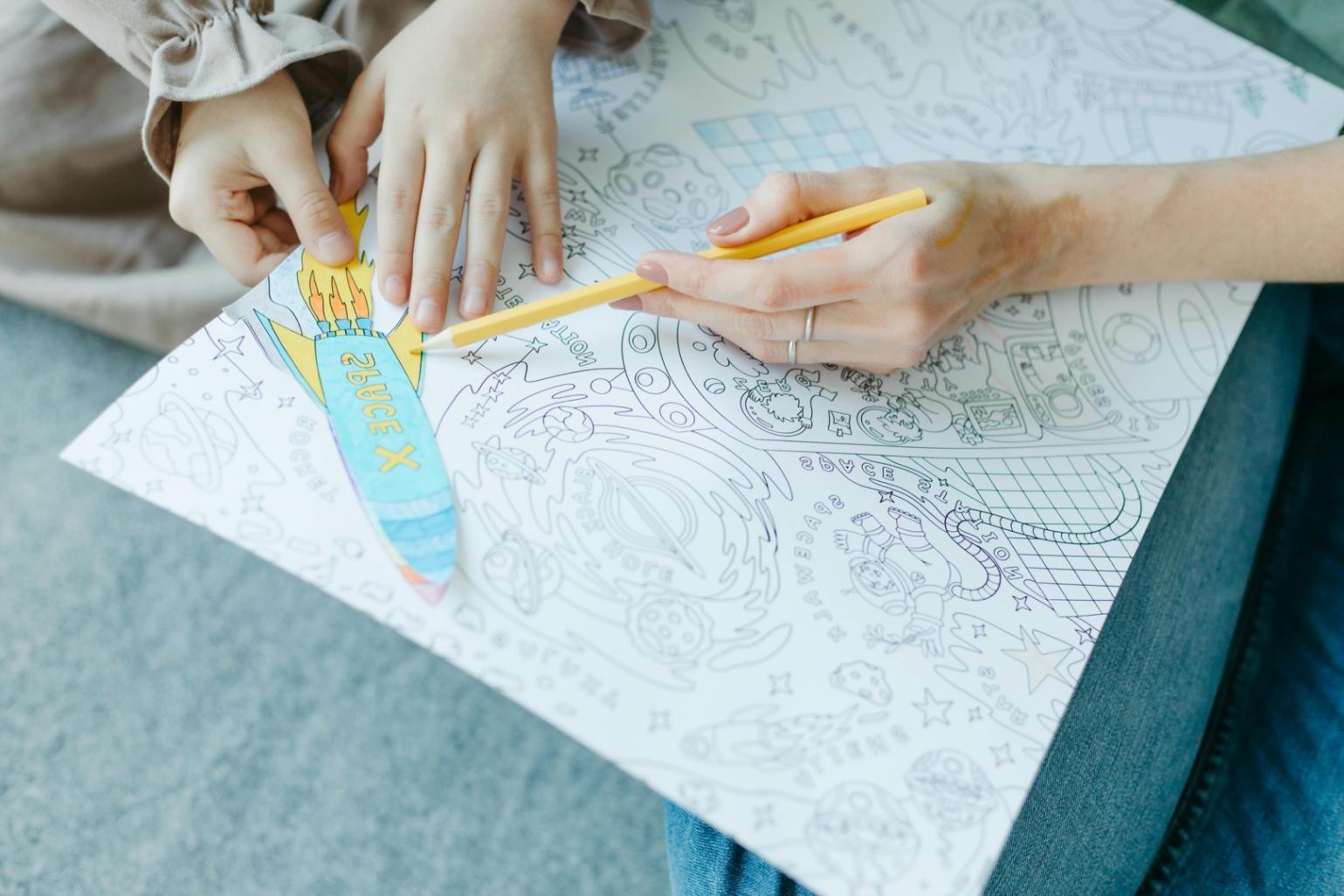
Foundational observation techniques
Start with the basics of measuring and comparing. You'll practice sighting methods, learn to establish anchor points, and develop a systematic approach to breaking down complex subjects into manageable shapes. These exercises build the visual vocabulary you need before tackling more challenging compositions.
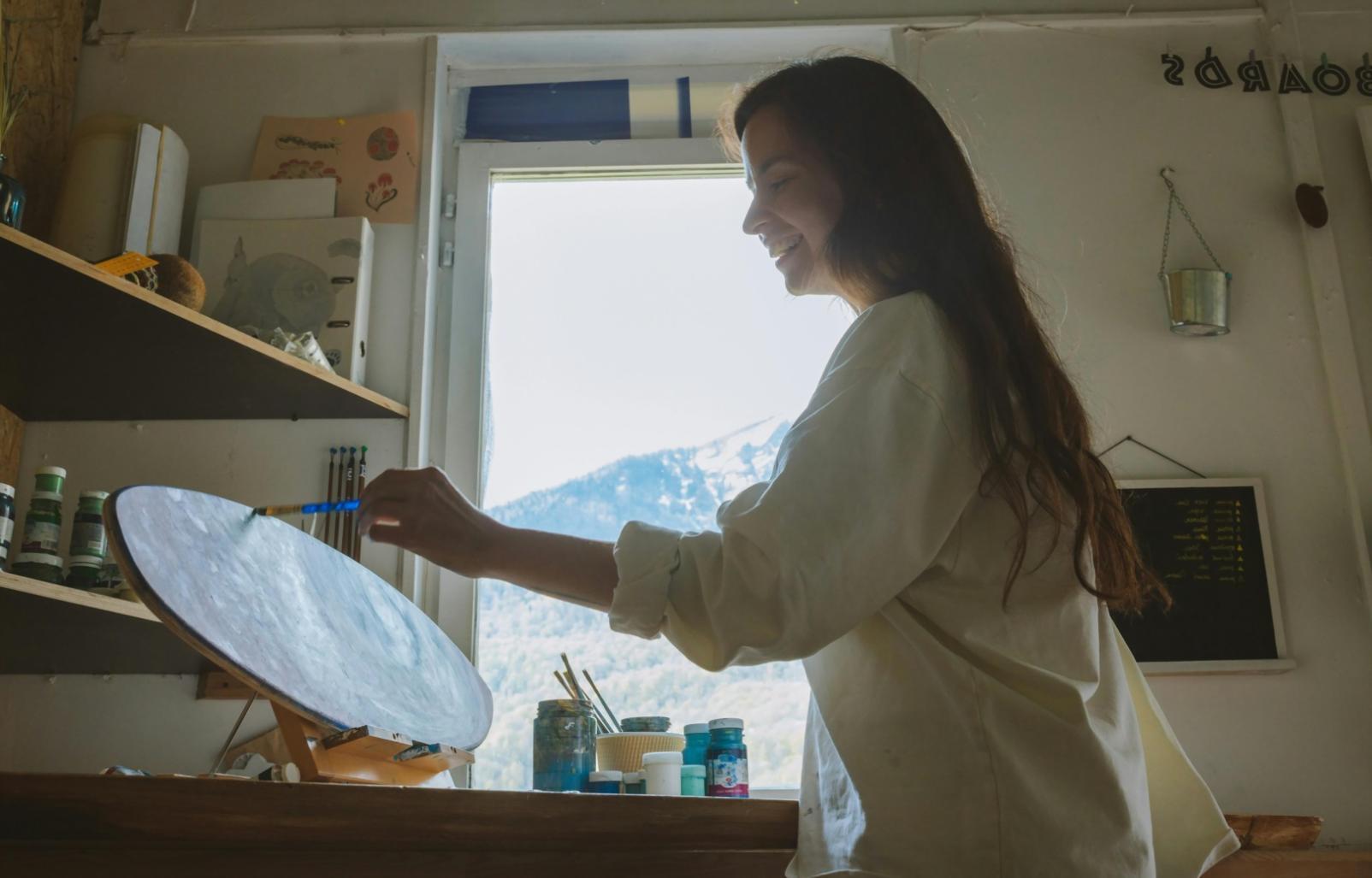
Live model sessions with structured feedback
Work with posed models in timed sessions that range from quick gesture sketches to extended studies. Each session includes direct critique on proportion, gesture, and mark-making. You'll learn to prioritize information under time constraints and develop confidence working with the human figure in real time.
How we structure learning
Each course follows a clear progression. You start with simple objects — boxes, cylinders, basic still life arrangements — where proportions are easier to verify. As your eye develops, we introduce more complex forms, varied lighting conditions, and eventually live models.
Lessons combine demonstration with hands-on practice. You'll see the instructor work through a drawing in real time, explaining each decision, then apply those same methods to your own work. Feedback focuses on what you can adjust immediately — angles that need correction, values that need adjustment, edges that need refinement.
Progress happens through repetition and incremental challenge. You won't move to the next module until you've demonstrated competence with the current material. This isn't about rushing through content — it's about building skills that hold up under pressure.
Average weeks to complete core curriculum
What participants say about the experience
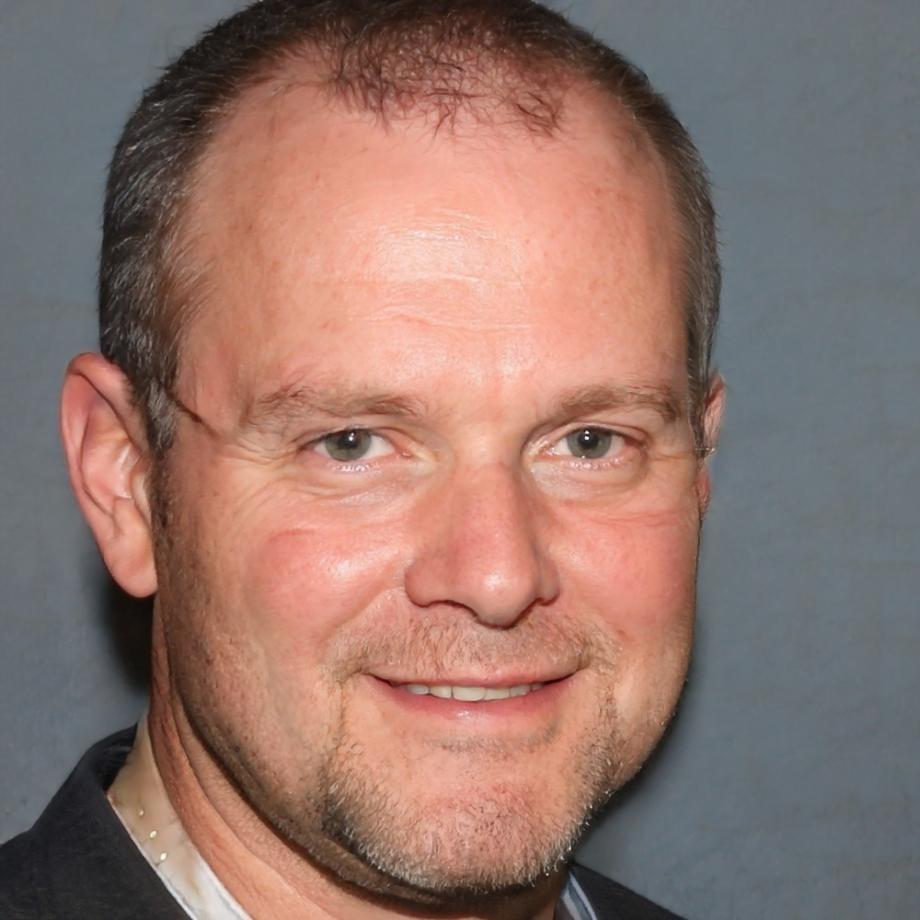
I spent years working from photos and thought I understood proportion. Three weeks into this program I realized how much I'd been guessing. The sighting techniques alone changed how I approach every drawing.
Lev Shevchenko
Illustrator
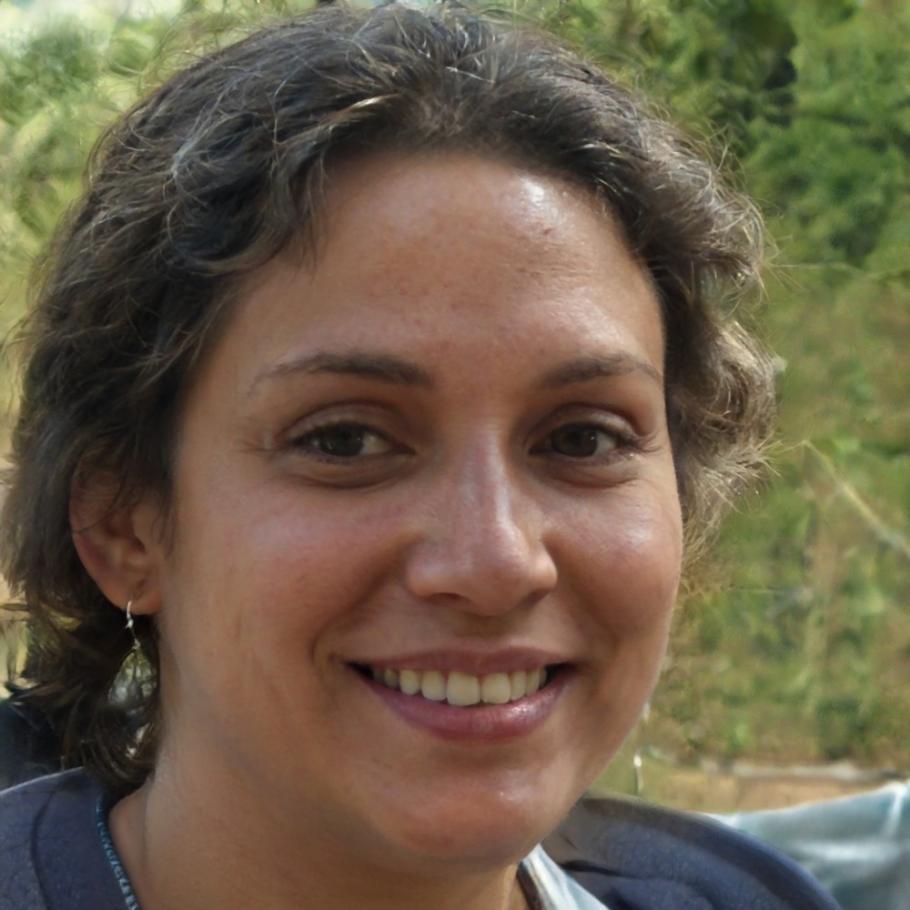
The live model sessions were intimidating at first, but the structured feedback made it manageable. By the end I could capture a pose's gesture in under ten minutes with reasonable accuracy — something I couldn't do before.
Oksana Bilyk
Art student
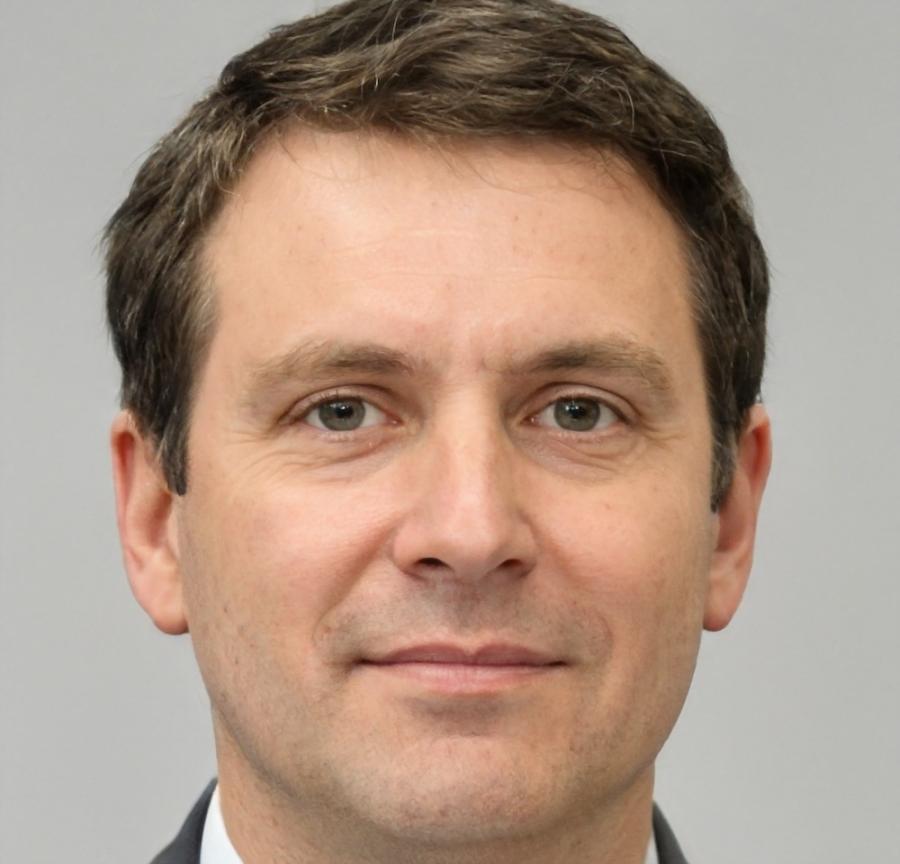
What I appreciated most was the focus on method over style. You learn a process that works regardless of medium or subject. The skills transferred directly to my painting practice.
Dmytro Koval
Fine artist